
I first met Marta Shahbazi almost a decade ago through Magdalena Zernicka-Goetz, with whom I wrote The Dance of Life, so it is shocking to learn today that she was killed in the rail disaster south of Madrid on Wednesday.
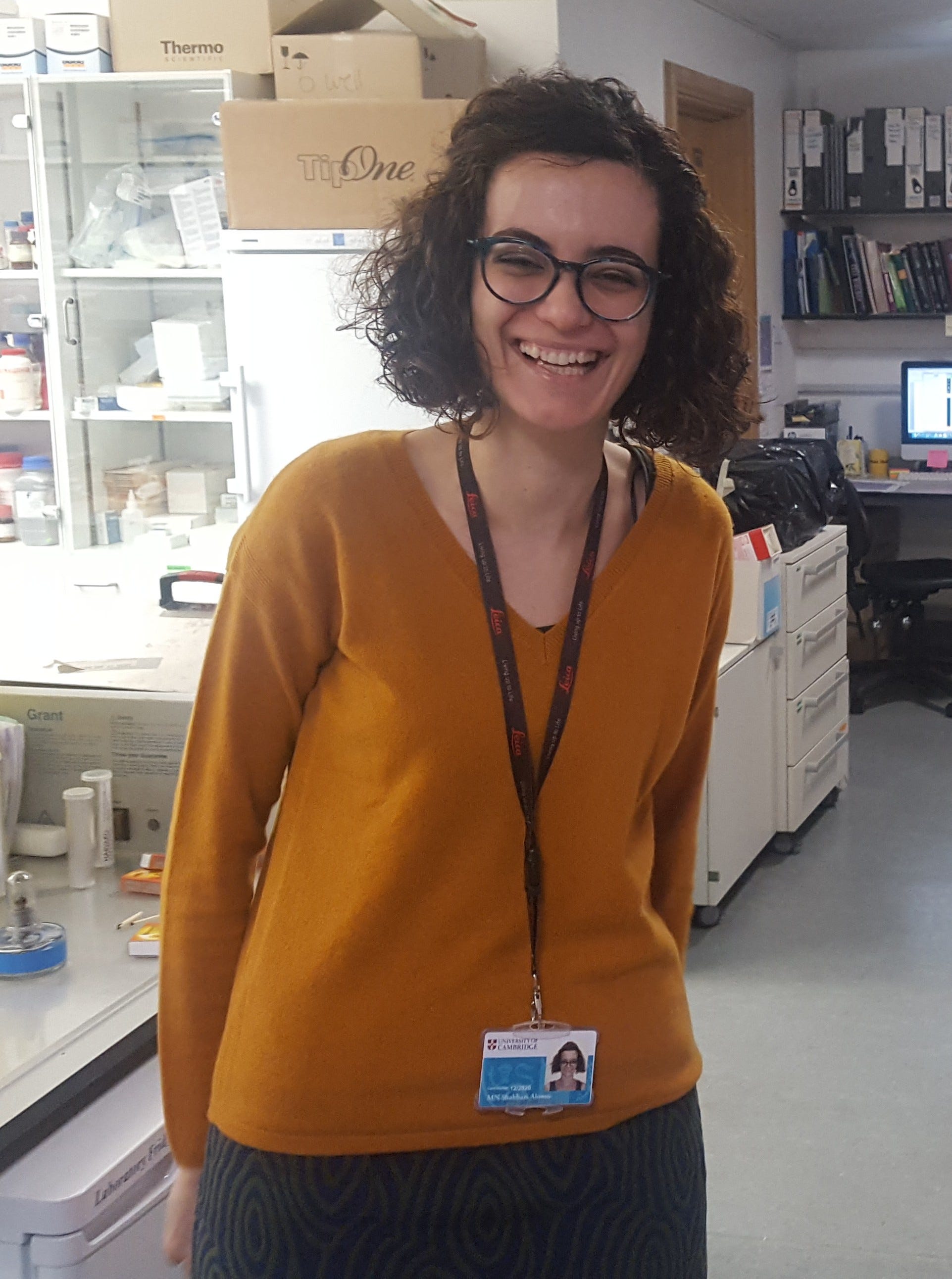
Marta spent her career discovering how the very first steps of life are taken and it is unbearable that she will not be here to see where they lead next.
Born in León, Marta studied Biology and Molecular Biomedicine at the Universidad Autónoma de Madrid before completing her PhD at the Spanish National Cancer Research Centre, then in 2014 joined Magda’s laboratory in Cambridge during one of the most exciting periods in modern embryology.
There she became a central figure in research that transformed our understanding of the earliest stages of human development. She was a joint first author of the experimental work behind something that had previously seemed out of reach: growing human embryos in the laboratory beyond the stages corresponding to implantation, without maternal tissues. For decades, that period had been described as the black box of development because nobody could directly observe what was happening: Marta helped prise the lid open.
During this brief but crucial window, the embryo displayed a remarkable capacity for self-organisation. Key developmental events could unfold without maternal tissues directing every stage. The work revealed how the embryo reorganises itself, forms new structures and begins laying down the foundations of the body plan. As Marta later put it, the embryo possessed an “intrinsic capability” for self-organisation.
In 2017, working with mouse embryos, human embryos and stem cells, Marta helped show that developmental progress depends on cells undergoing a change in identity before they can remodel themselves and create the amniotic cavity, one of the earliest structures surrounding the embryo.
The work in Magda’s lab demonstrated how changes in what embryonic cells are become inseparable from changes in the structures they build. In The Dance of Life, we wrote simply that “Marta worked day and night for us to gain this insight.”
Marta did more than help contribute discoveries to our book. She was one of the scientists who read the manuscript and told us where the account was awry. Every author knows how valuable such readers are: knowledgeable enough to spot your mistakes and generous enough to explain how to fix them.
In one email she apologised for returning comments late because her team had just had a paper accepted by Nature and was dealing with the inevitable rush of revisions and requests. She still found time to read our work carefully, and for that I am hugely grateful.
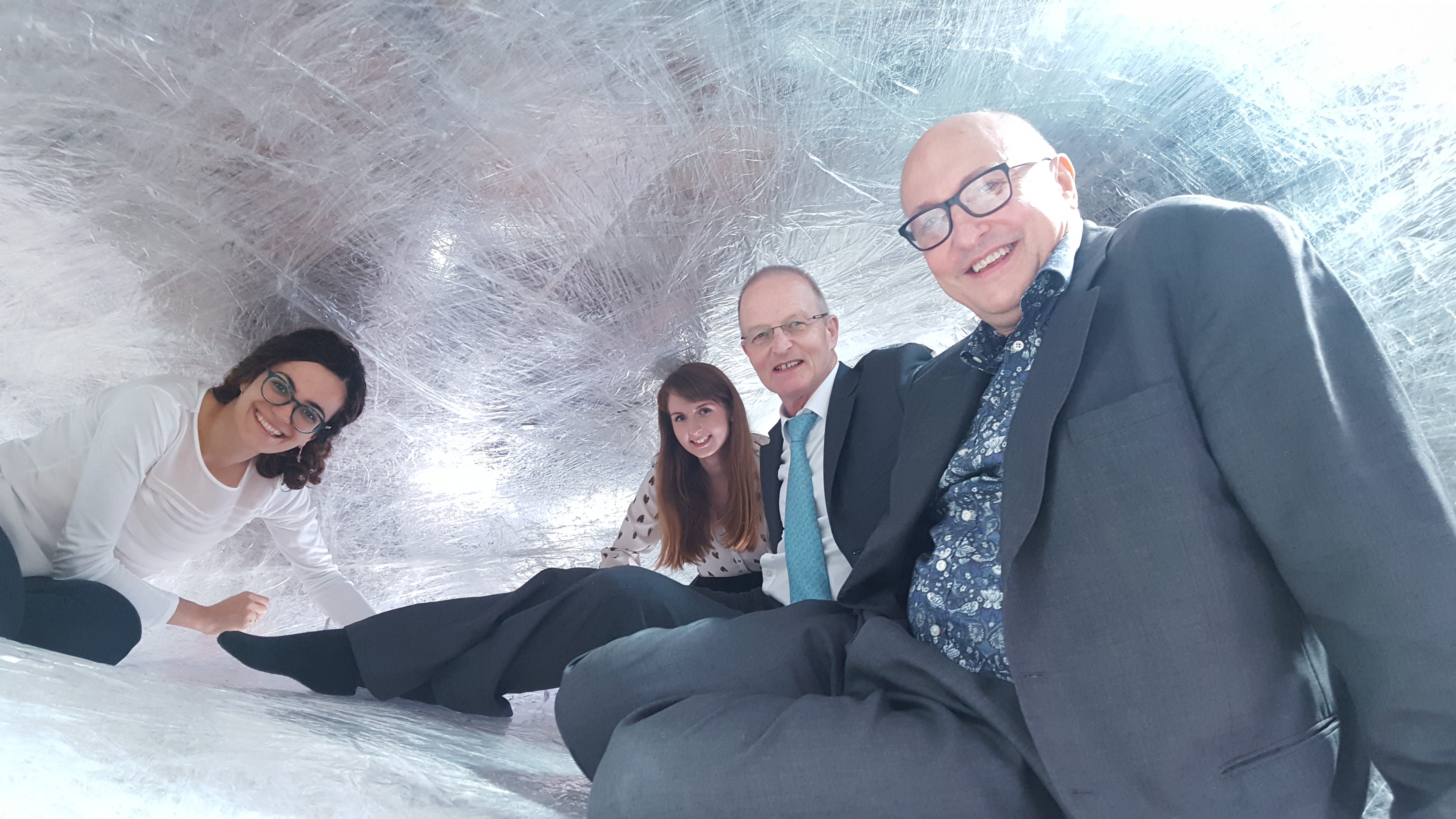
I also had the pleasure of sharing a stage with Marta at the Manchester Science Festival in 2017. Our event, Reproduction 2.0, brought together Marta, Norah Fogarty, Doug Turnbull and me to discuss the future of reproductive science. Marta spoke first because her research lay at the most fundamental end of the spectrum.
As one example, she had worked on a new technique that allows embryos to develop in the lab up to 13 days after fertilisation, much longer than previously possible. “While our system may not be able to fully reproduce every aspect of this process,” she said when the work was published, “it has allowed us to reveal a remarkable self-organising capacity of human blastocysts that was previously unknown.”
In 2020, Marta launched the Shahbazi Lab at the prestigious Medical Research Council Laboratory of Molecular Biology in Cambridge. Her group combined studies of human embryos and stem-cell models to investigate implantation, developmental failure and pregnancy loss. Implantation is a critical period because it is when the basic body plan is formed and when around 30% of human pregnancies fail.
Magda told me: “We were in constant touch, even after I moved to California and she started her own lab. She was a beautiful person and I loved her so much.” She added: “She was incredibly warm, generous and inspiring…a wonderful, thoughtful colleague who I use as a role model for my students and post docs. My advice to them was: ‘Be like Marta.’”
The award Marta never had the chance to collect was the 2026 José Luis Gómez-Skarmeta Award from the Spanish Society for Developmental Biology, recognising her contributions to understanding the earliest stages of human development. Just eight days before the crash, she had also been named winner of the 2026 SRUK/CERU Emerging Talent Award.
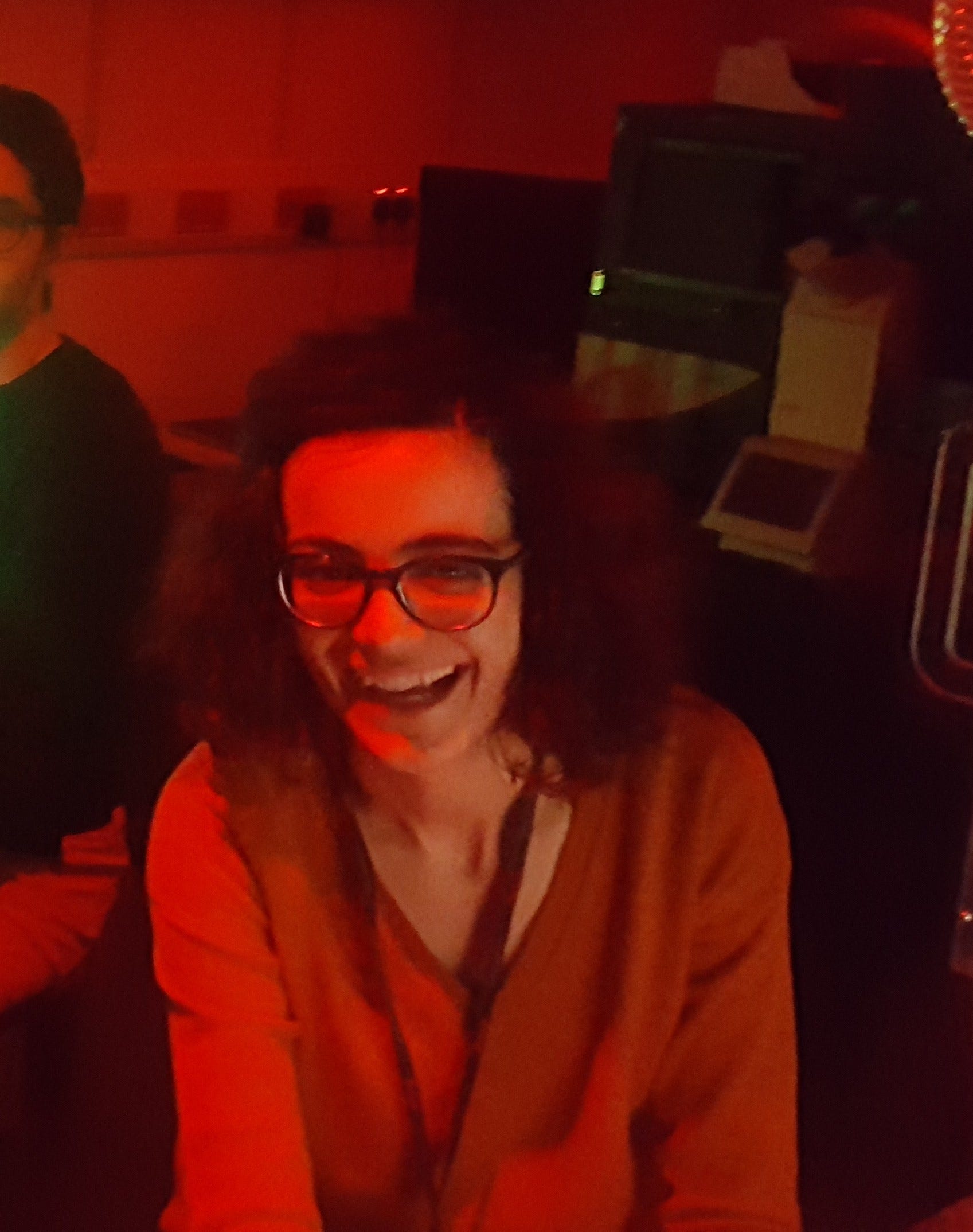
Marta was a wife and mother of two young children. She described herself as a “mother scientist” and wrote candidly, as did Magda, about balancing scientific leadership with family life. For younger researchers, especially women trying to reconcile those demands, she provided something more convincing than advice: an example.
The MRC Laboratory of Molecular Biology has published an obituary and described Marta as “an inspiring, talented and passionate scientist” whose death is “a profound shock and a huge loss.” I would add that she possessed another gift: the ability to make the most intricate biology feel alive with wonder.
My thoughts are with her husband and children, her family, her colleagues in Cambridge and all those whose lives she touched.
Archived at: https://zenodo.org/records/23925578
Thank you, Roger, for this beautiful tribute to Marta. I felt I got to know her a little through your words. As a Cambridge alumna myself, this news hit close to home. I love how you described her gift: the ability to make the most intricate biology feel alive with wonder. The world and the scientific community has truly lost someone special. 💔