
A few years ago, my optician got rather excited. Peering into my eye, he spotted a strange linear scar and promptly referred me to a consultant. The explanation, when it eventually came, was a surprise. Forceps had been used to haul me into the world long ago in a Griffithstown hospital, and they’d left their mark on my left eye, which to this day remains nowhere near as able as my right.
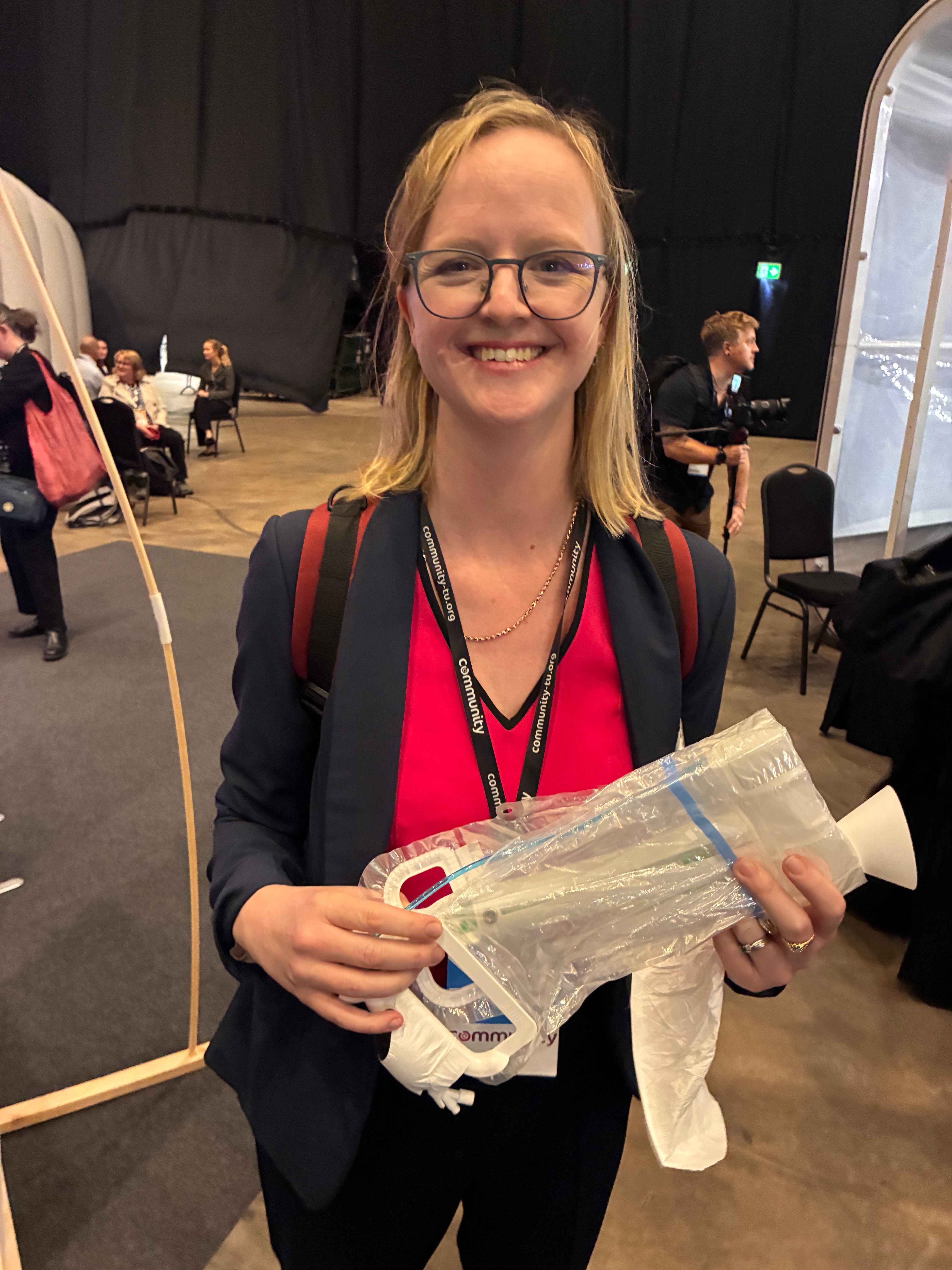
That all came flooding back recently when I bumped into Hannah Henderson at the Labour Party Conference. Nothing political, I should add, since I was there to talk about challenge prizes. Hannah was there to promote a device that, had it existed when I was born, might have spared my left eye. TIME magazine has now hailed it as one of the Best Inventions of 2026.
The OdonAssist device is named after Jorge Odón, an Argentinian car mechanic who had been shown a party trick by a colleague at his garage, one that rescues a cork that has become pushed into a bottle of wine. You slide a plastic bag into the bottle, blow into it, and the bag inflates around the cork to grip it. Then you pull, and out comes the cork. Odón wondered whether the same trick could help deliver a baby.
He started tinkering in his garage and his prototypes would eventually become the OdonAssist, a cuff that slips around the baby’s head that can be inflated to aid delivery. This is the first genuinely new instrument for assisted birth since the vacuum cup, or ventouse. The forceps used on me date back much further, to the 17th century, when a Huguenot family of surgeons who’d settled in England - the Chamberlens - guarded their design as a trade secret for generations.
Hannah even gave me a demonstration, using my clenched fist to simulate a baby’s head. “I did have a medical mannequin of a baby in my handbag but, having only just met you, I thought it would make me look a little bit too crazy to suddenly deliver a baby out of thin air,” she told me. I am glad to report that my fist arrived safely.
This idea has made headlines since it first emerged two decades ago and it was put to the test by a group of obstetricians, neonatologists and midwives in Bristol, as an alternative to forceps and ventouse. The first woman who needed assistance at the end of her labour and was helped by the device gave birth in 2018. In the end, 144 women were offered assistance during the first two UK trials, with more in France.
When it comes to the OdonAssist, there is no device-related pattern of bruising and injury you can get with other instruments. Forceps concentrate a lot of pressure on small patches of the skull, which, as I can testify, can do damage. The ventouse can pull the baby’s head into a cone shape, which is distressing for parents and painful for the baby. The inflatable cuff spreads the load evenly around the head.
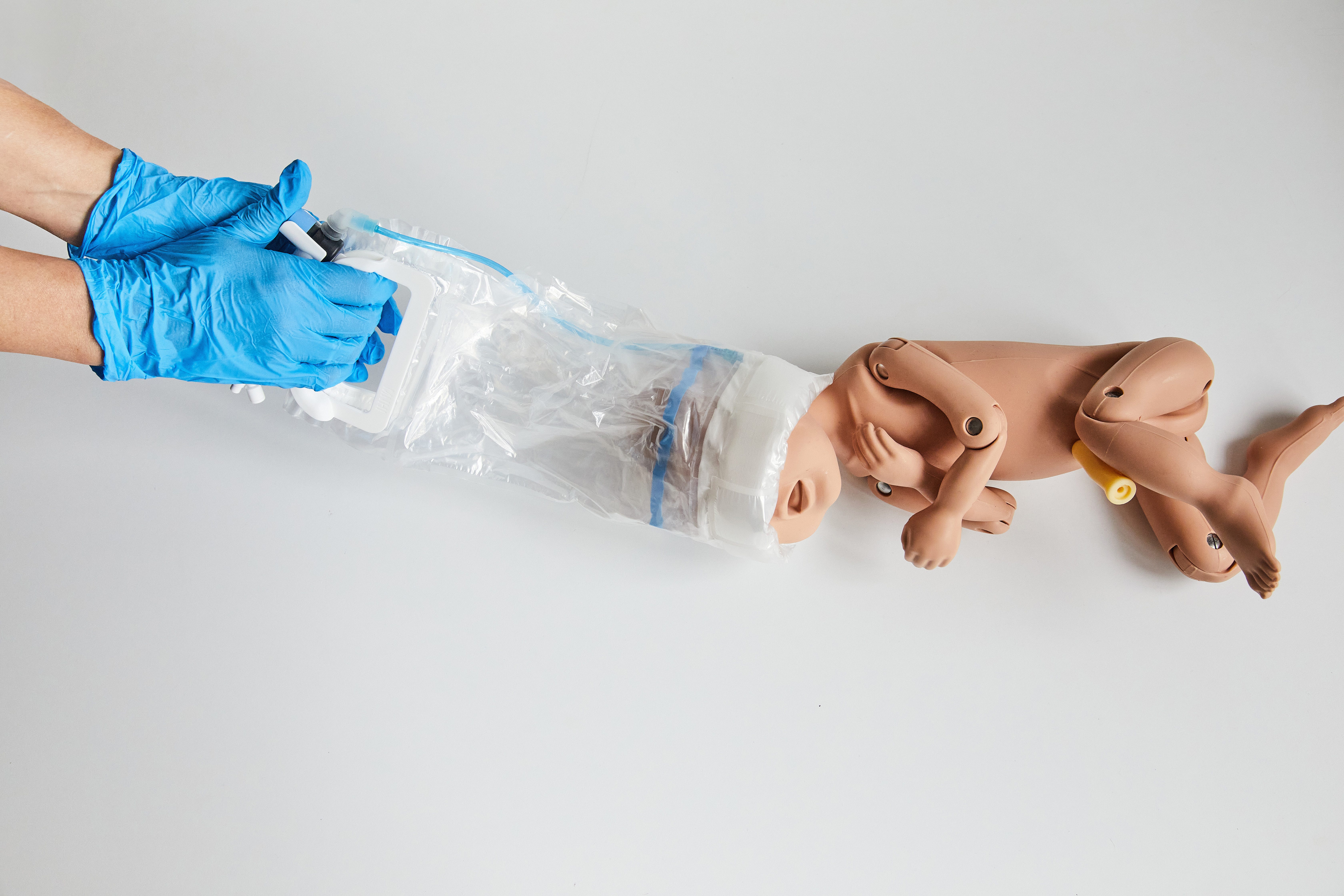
Moreover, doctors can use the same technique to insert it whatever way the baby’s head is facing, which isn’t true of other devices currently in use. When it doesn’t work, it fails safely, without harming the baby. And in a pilot study in Ethiopia, midwives and birth attendants trained to use it did just as well as specialists in the UK and France. For parts of the world where obstetricians are thin on the ground, that could matter.
In spring 2025, after nearly two decades of research and development, the OdonAssist won its CE certification, showing that it meets EU standards, and was distributed across the UK and Europe. More than 600 babies have now been born with its help and, importantly, a full randomised controlled trial is planned in the UK next year. When registrar Dr Emily Hotton went on BBC Radio 4’s Woman’s Hour to talk about it, the clip went viral, and Hannah tells me it’s now been watched more than 32 million times.
The UK team behind the current NHS roll-out is tiny: a mother whose own forceps delivery failed and ended in an emergency caesarean; Emily, an obstetrician, who has backed the device for a decade; a midwife who left the NHS frontline after 14 years to champion a different way of doing things; and a journalist – Hannah - whose reporting brought her face to face with too many families harmed by forceps.
As for my left eye, it’s too late, alas. But not for babies being born today.
Archived at https://zenodo.org/records/23930487